3 hr
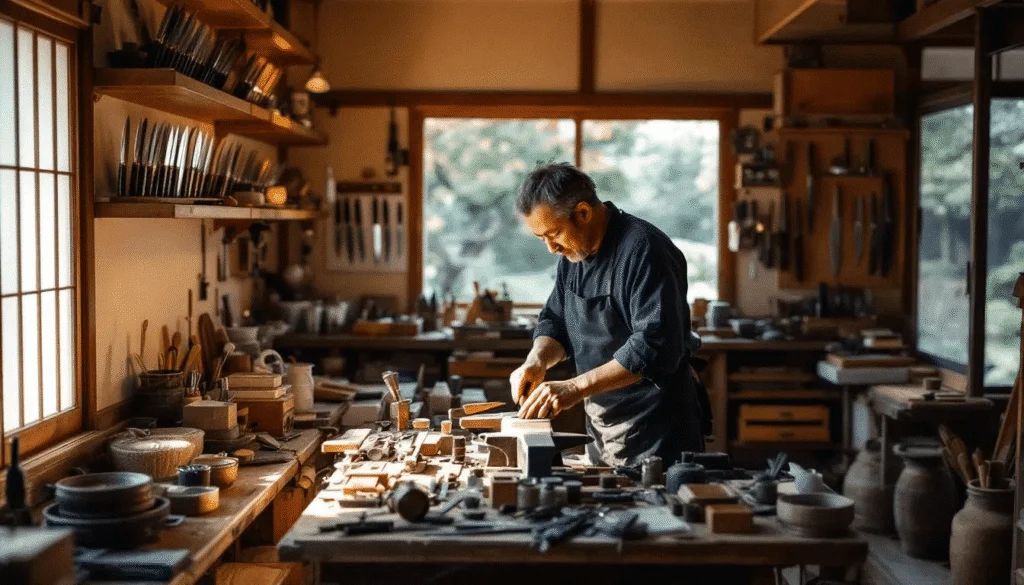
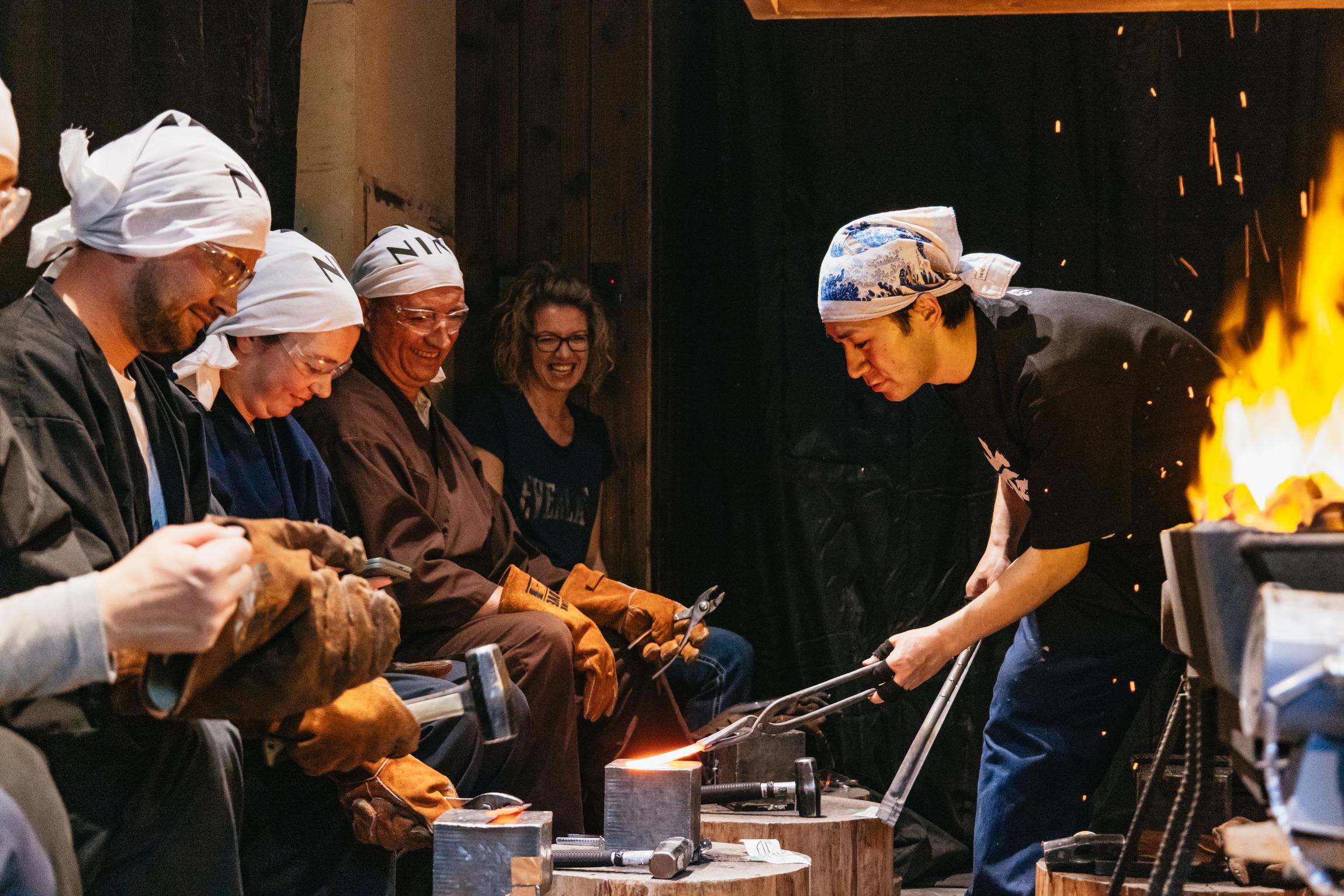
Traditional Japanese Blade Forging Workshop in Kyoto
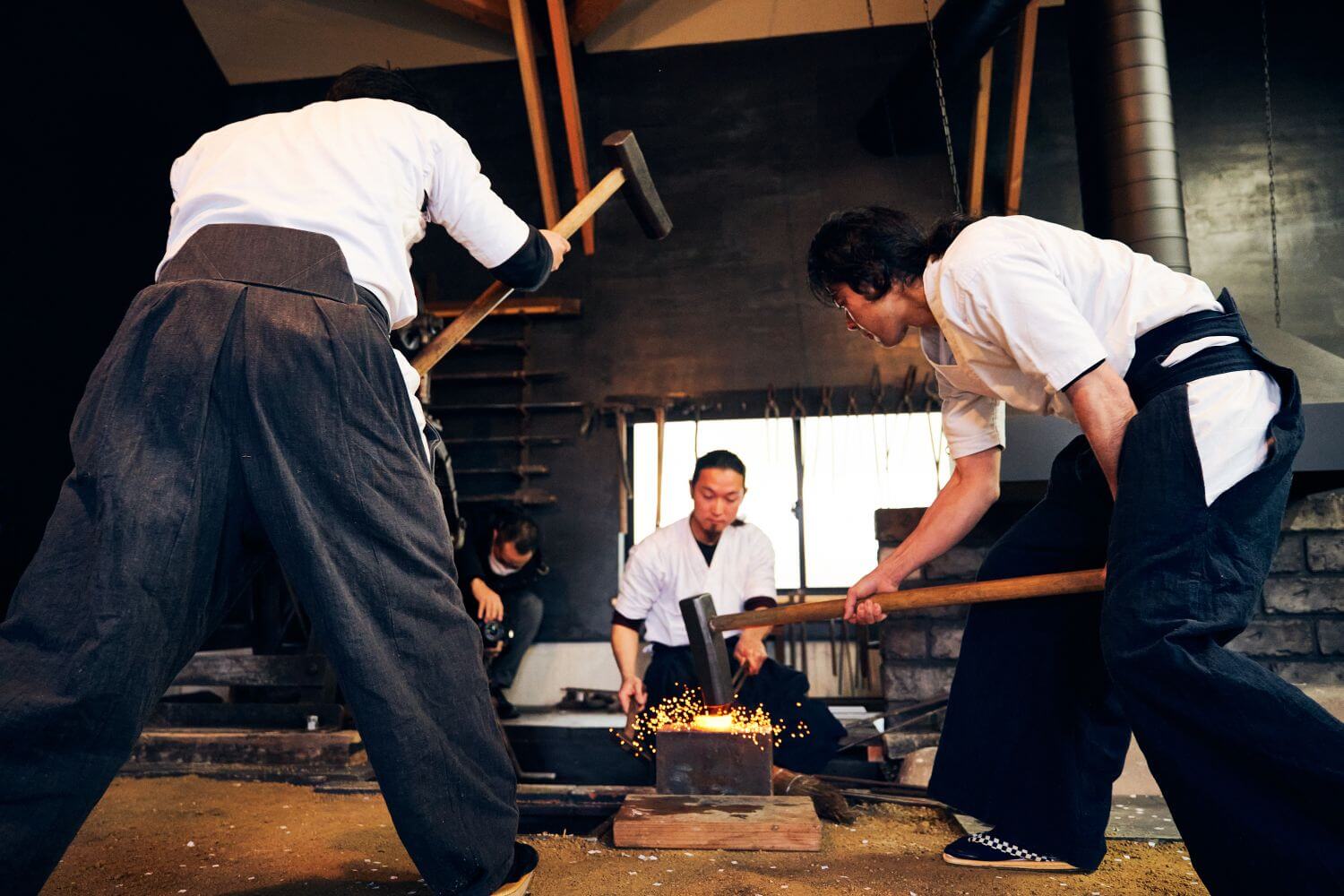
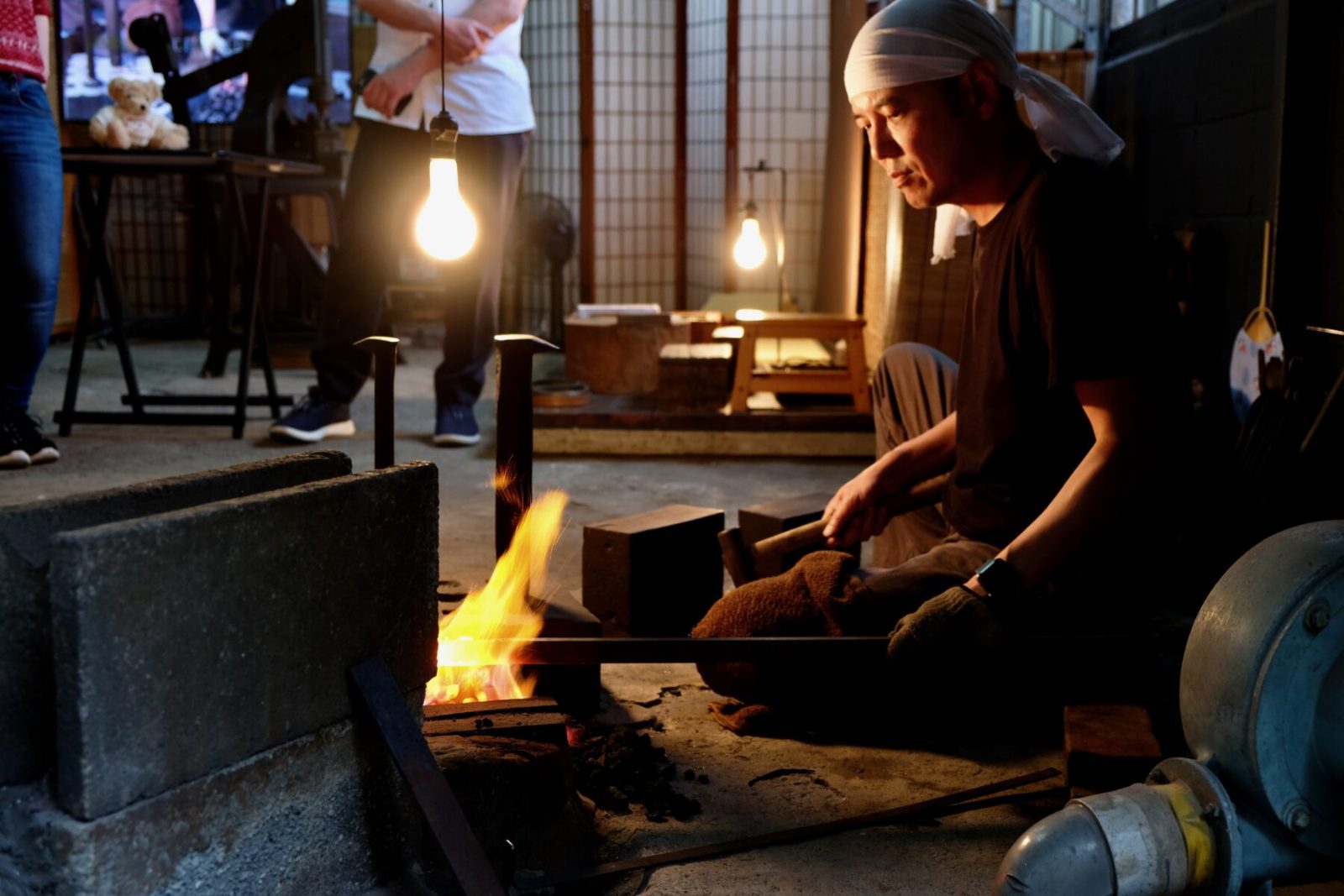
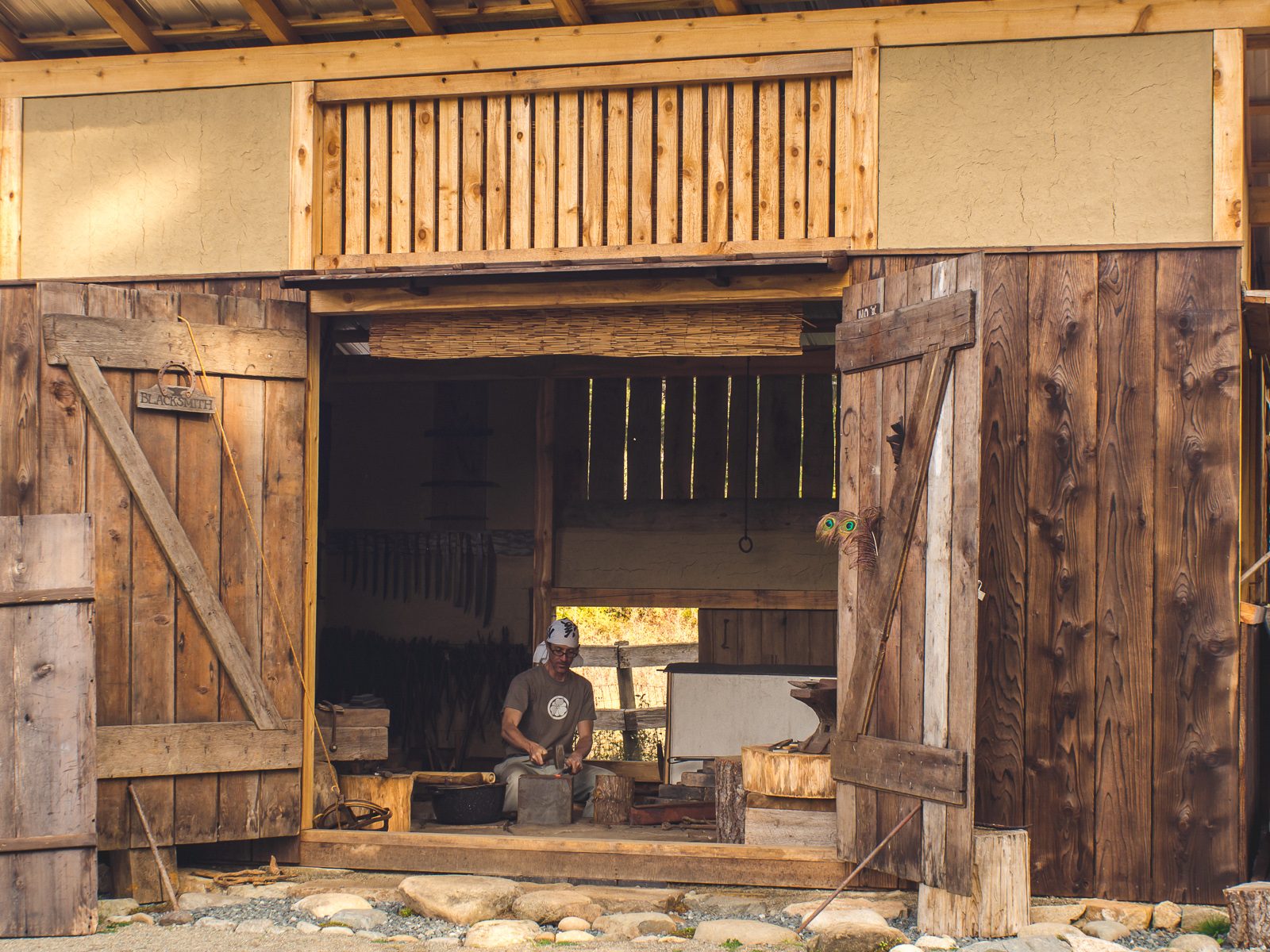
Craft your own steel knife using centuries-old blacksmithing techniques in an authentic Kyoto forge
Reserve
Steel meets whetstone, and your name meets the blade.
Hand-picked by our editors — only the best 9 experiences from 146 reviewed.
Verified partners for Japanese Knife Making Workshop tours, free cancellation where available, and instant confirmation on every booking.
3 hr
Craft your own steel knife using centuries-old blacksmithing techniques in an authentic Kyoto forge
Reserve
1 hr 30 min
Create and personalize your own Japanese blade through sharpening, engraving, and assembly in this cultural experience
Reserve
1 hr
Master authentic whetstone techniques and restore a Japanese blade under expert guidance in historic Tokyo
ReservePrices from verified partners. Availability updates in real time at checkout. Free cancellation policies apply where shown.
Every Japanese Knife Making Workshop tour side-by-side — duration, what's included, how you redeem.
| Experience | Duration | Rating | Small group | Free cancel. | Price | |
|---|---|---|---|---|---|---|
|
Standard Entry Most popular
Traditional Japanese Blade Forging Workshop in Kyoto
|
3 hr | ★ 4.9 | — | ✓ | €130 | Book → |
|
Standard Entry
Traditional Japanese Knife Crafting Workshop with Engraving
|
1 hr 30 min | ★ 4.9 | — | ✓ | €136 | Book → |
|
Standard Entry
Traditional Knife Sharpening Workshop in Asakusa
|
1 hr | ★ 4.9 | ✓ | ✓ | €78 | Book → |
All prices from verified partners. Availability and exact terms confirmed at checkout.
They complement each other; most visitors who do both call the Japanese sword making workshop the more thrilling, historical pursuit, while the Japanese knife making workshop offers superior everyday utility.
| Feature | Top pick Knife Workshop | Sword Forging |
|---|---|---|
Purpose of blade |
Culinary utility | Ceremonial/Historical display |
Time commitment |
1.5–3 hours | 4–5 hours |
Skill focus |
Sharpening and engraving | Hammering and metalwork |
Primary use |
Daily kitchen tasks | Cultural heirloom/Souvenir |
Post-workshop shipping |
Available | Available |
| See tickets → |
Verdict: Choose the kitchen knife class for a practical souvenir you will use daily, or opt for the sword forging experience to immerse yourself in the legendary techniques of the samurai.
Choose your ticket, select your date, and reserve in under two minutes. Secure checkout handled by our verified partner.
Instant confirmation by email, with a mobile voucher you can save offline. No printing, no queuing at a collection desk.
Arrive at the entrance, show your voucher on your phone, and walk in. Most tickets include priority or skip-the-line access.
Practical details for Japanese Knife Making Workshop tickets straight from our verified partners — hours, access, rules, and how to get there.
Asakusa, Taito City, Tokyo, Japan
Report to the reception desk upon arrival.
Open in Google MapsTake the Ginza Line to Asakusa Station, then a 5-minute walk.
Request drop-off at the central Asakusa district.
Participants should wear comfortable, non-flammable clothing. Avoid loose sleeves or dangling jewelry that could get caught in sharpening equipment.
Secure storage for small personal items is provided during the Japanese knife making workshop. Large luggage should be left at your hotel as space is limited.
Photography is permitted in the workshop area, provided it does not disrupt the instructor or other guests. Please ask before capturing close-ups of specialized smithing tools.
The studio floor is flat and accessible for most visitors. Please notify staff in advance if you have mobility requirements so we can adjust your station.
Please keep phones on silent mode during the Japanese knife making workshop. Use is permitted during breaks, but keep hands free during active sharpening steps.
The Japanese knife making workshop is suitable for older teenagers and adults who can handle sharp tools safely. Children under 12 are not permitted in the forge area.
No food or drink is allowed at the workbench to maintain hygiene and safety. There are many cafes nearby in Asakusa for refreshments before or after your session.
No pets are allowed inside the facility. Only certified service animals are permitted with prior notification.
Every participant receives safety gear including gloves and aprons. Ensure you arrive within the 09:00–16:00 window to complete the full process.
Asakusa, Taito City, Tokyo, Japan
Report to the reception desk upon arrival.
Get directionsBest time to go, insider tips, nearby landmarks, and the cancellation fine print — flip through to skim what matters to you.
How crowds, weather, and events shift across the year.
Mild weather perfect for walking through Asakusa before your session.
Air-conditioned indoor studio provides relief from high humidity.
Comfortable temperatures for exploring nearby landmarks.
Ideal time to visit due to fewer crowds in the Tokyo area.
Small details that turn a good visit into a great one.
Sessions fill up quickly, especially on weekends.
You will be standing for extended periods during the Japanese knife making workshop.
Listen carefully to the master smith's advice on angle consistency.
Don't hesitate to clarify steps before touching the stones.
Combine this experience with a visit to the nearby historical districts.
Non-bookable sights within a short walk — free to visit, easy to pair.
Ancient Buddhist temple and Tokyo's oldest religious site.
Traditional shopping street leading to the temple.
Beautiful riverside garden ideal for seasonal strolls.
Tall broadcasting tower offering panoramic views.
Flexible, no hidden fees.
Cancellations must be made at least 48 hours in advance to receive a full refund. As this is a pre-paid booking, no entrance fee of 0 JPY applies to the cancellation process.
Hand-picked options within walking distance — pick a district for vibe, or a specific hotel for convenience.
Upscale hotel with views of the temple.
Modern hotel with excellent city connectivity.
Friendly hostel popular with international travelers.
Japan's kitchen knives descend from a weapon. When the Haitōrei edict of 1876 barred the wearing of swords, thousands of smiths turned their forges toward chisels, sickles and blades for the kitchen, carrying tamahagane technique into domestic work.
That inheritance is what a japanese knife making workshop in Asakusa now teaches, a short walk from Kappabashi, the kitchenware street that has supplied Tokyo's restaurants since the 1910s.
The craft rests on a structural idea: hardness and toughness are separated. A hard high-carbon core of shirogami or aogami steel is forge-welded to a softer iron jacket, a lamination called kasumi. The core holds an edge; the jacket absorbs shock. Sakai, near Osaka, refined this method around tobacco knives in the sixteenth century and still produces most professional single-bevel blades in Japan. Echizen, Tosa and Seki claim their own lineages. The single bevel itself — the ground face of a yanagiba or deba — is a geometry no European knife shares, and it is the reason a Tokyo sushi counter can cut fish without tearing it.
Asakusa matters here because Taito City remained an artisan ward. Ateliers here work below Sensō-ji's roofline, between wholesale suppliers and small foundries, and several open their benches to visitors. Curriculum varies by house. A japanese knife making class may cover hammering and quenching; a longer japanese knife making course adds handle fitting in ho wood and buffalo horn. The disciplines are not interchangeable — a japan sword making workshop follows separate law, since blade length and registration are regulated under the Firearms and Swords Control Law. Kyoto's ateliers lean toward polishing and cutlery finishing; a japanese knife making workshop in kyoto typically emphasises the whetstone over the anvil.
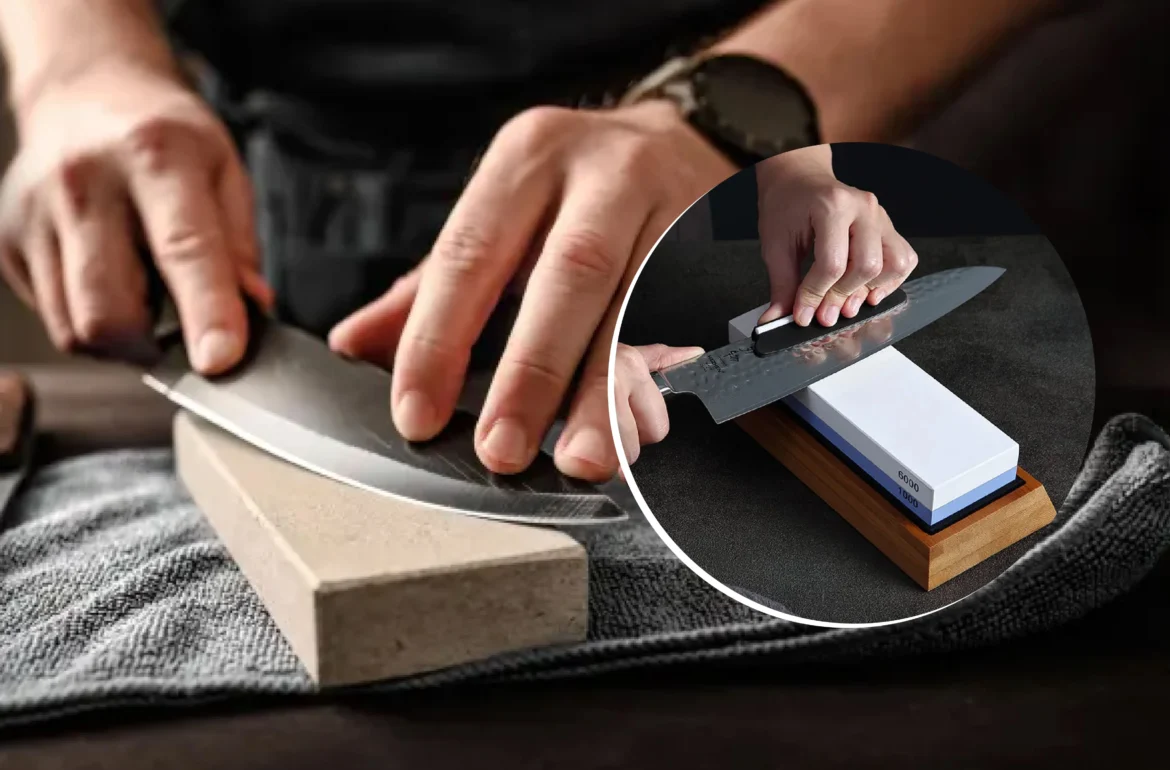
What the visitor takes away is less an object than a vocabulary. Grit numbers — 1000, 3000, 6000 — describe successive stones. The burr, felt with a thumbnail along the spine's opposite face, tells the sharpener when a bevel has met the steel. Kanji engraved into the blade face, struck with a hand punch, marks the maker. These are the same terms a Tsukiji fishmonger uses at dawn.
In 2026, demand for japanese knife making workshop tickets sits alongside a wider revival: Japanese cutlery exports have climbed steadily for a decade, and Asakusa's benches, open 09:00–18:00 daily, now host as many overseas hands as local ones.

"The core holds an edge; the jacket absorbs shock — hardness and toughness, deliberately kept apart."
A step-by-step walkthrough of Japanese Knife Making Workshop tickets — what you'll see, how long each stage takes, and the details that matter.
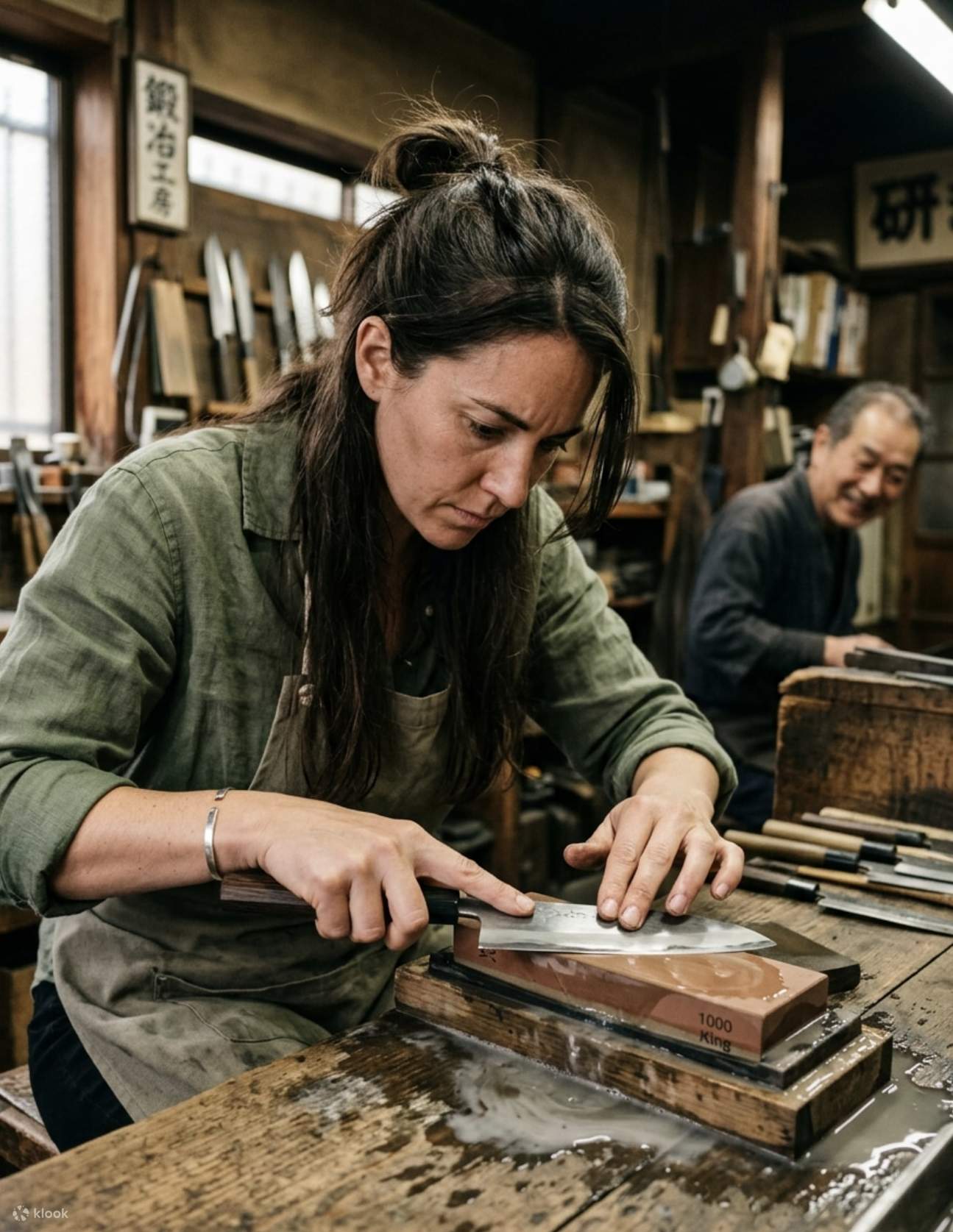
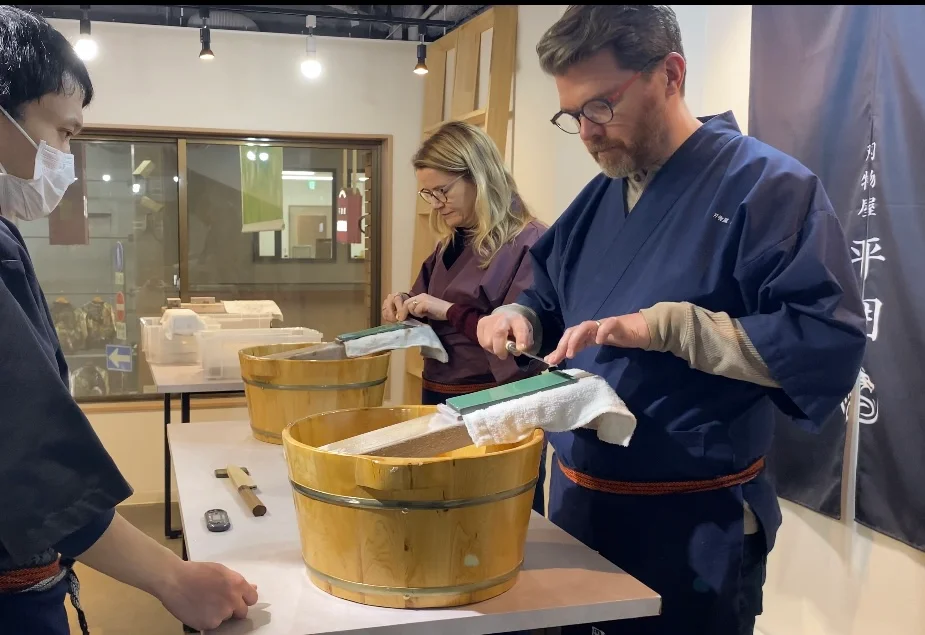
You arrive at an Asakusa workbench with your sleeves already rolled. Steel blanks lie in a row, dull grey, heavier than they look. A smith hands you one, points to the spine, and shows you which face is ground and which is flat — the single bevel that makes this blade Japanese rather than Western.
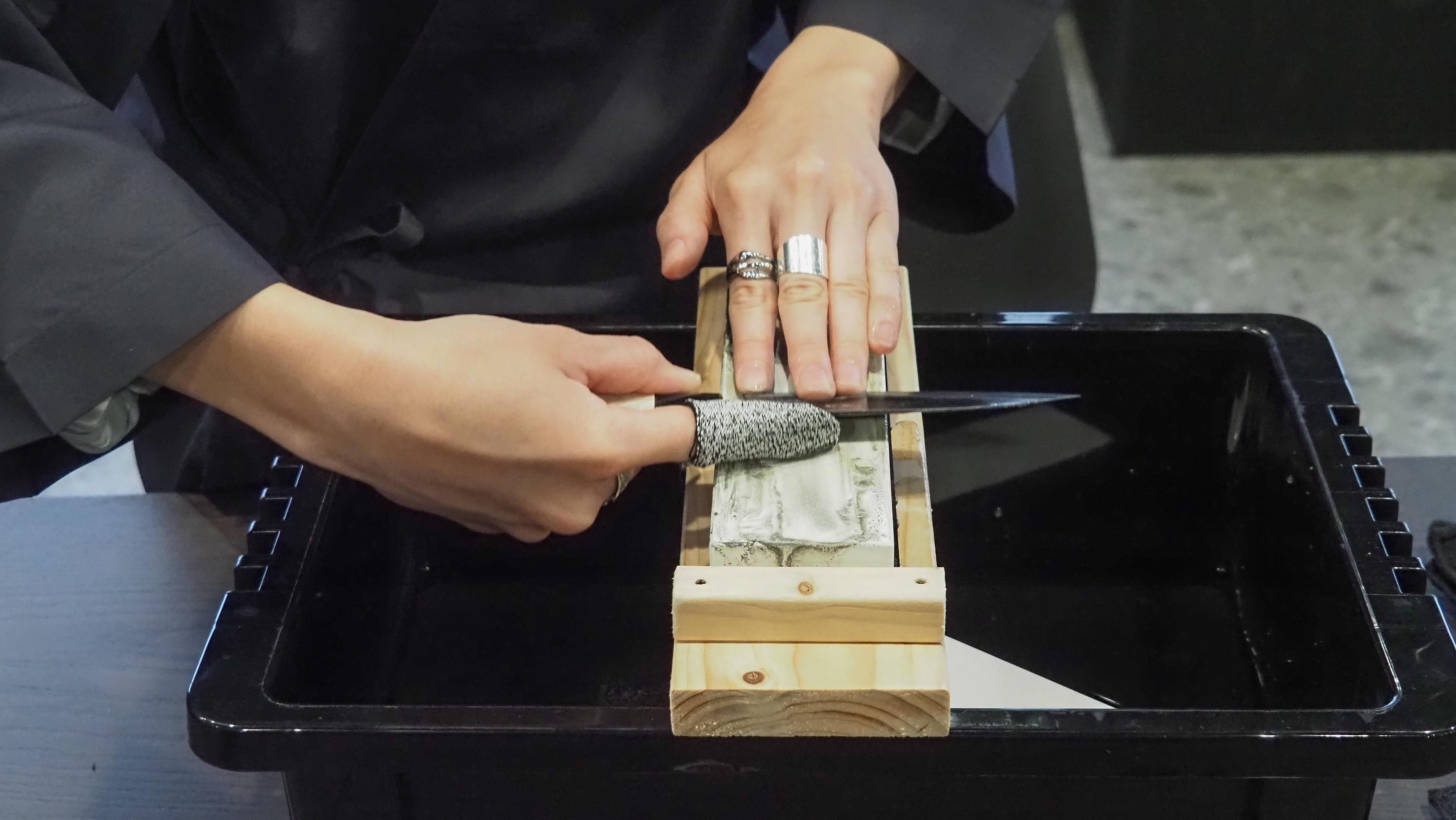
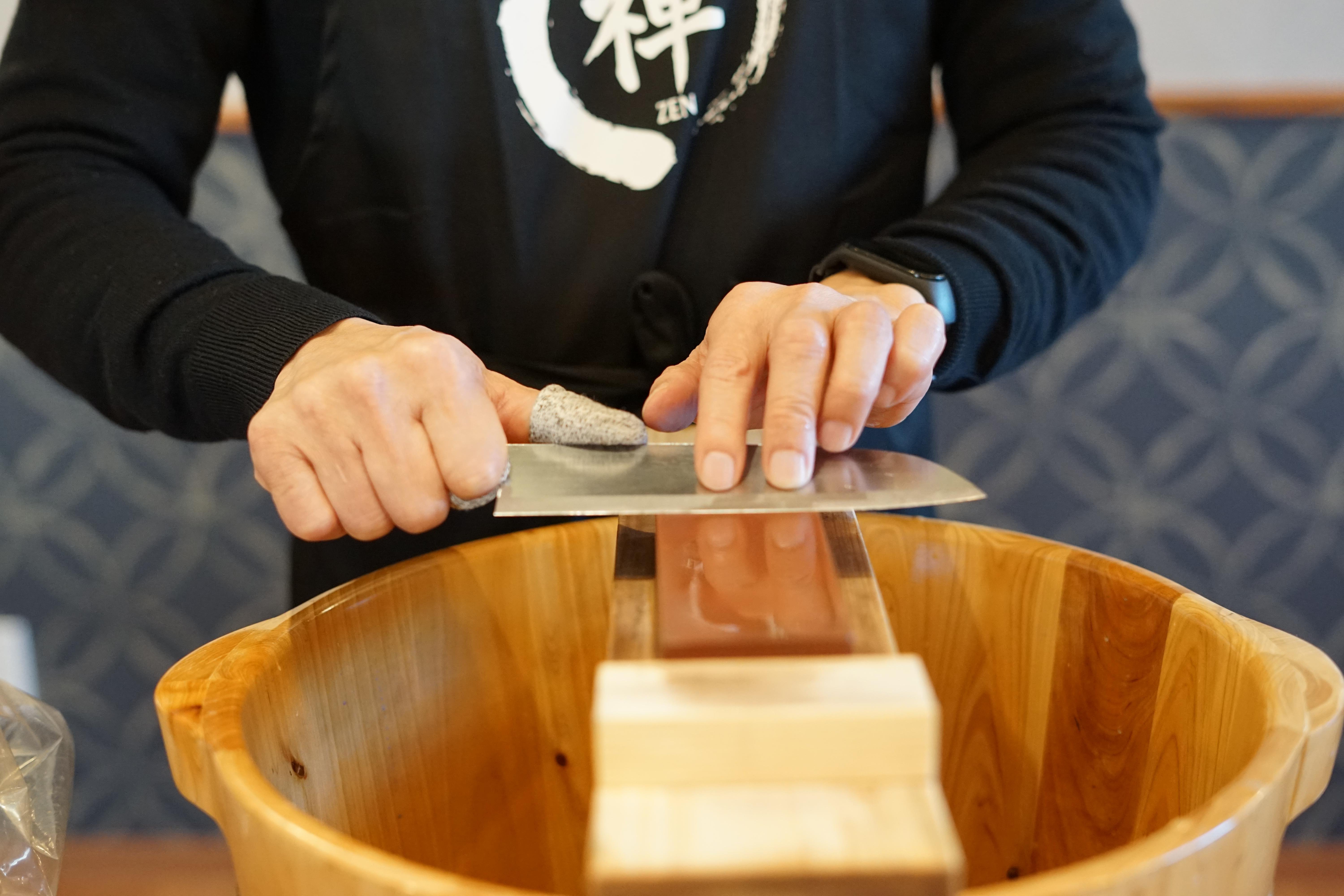
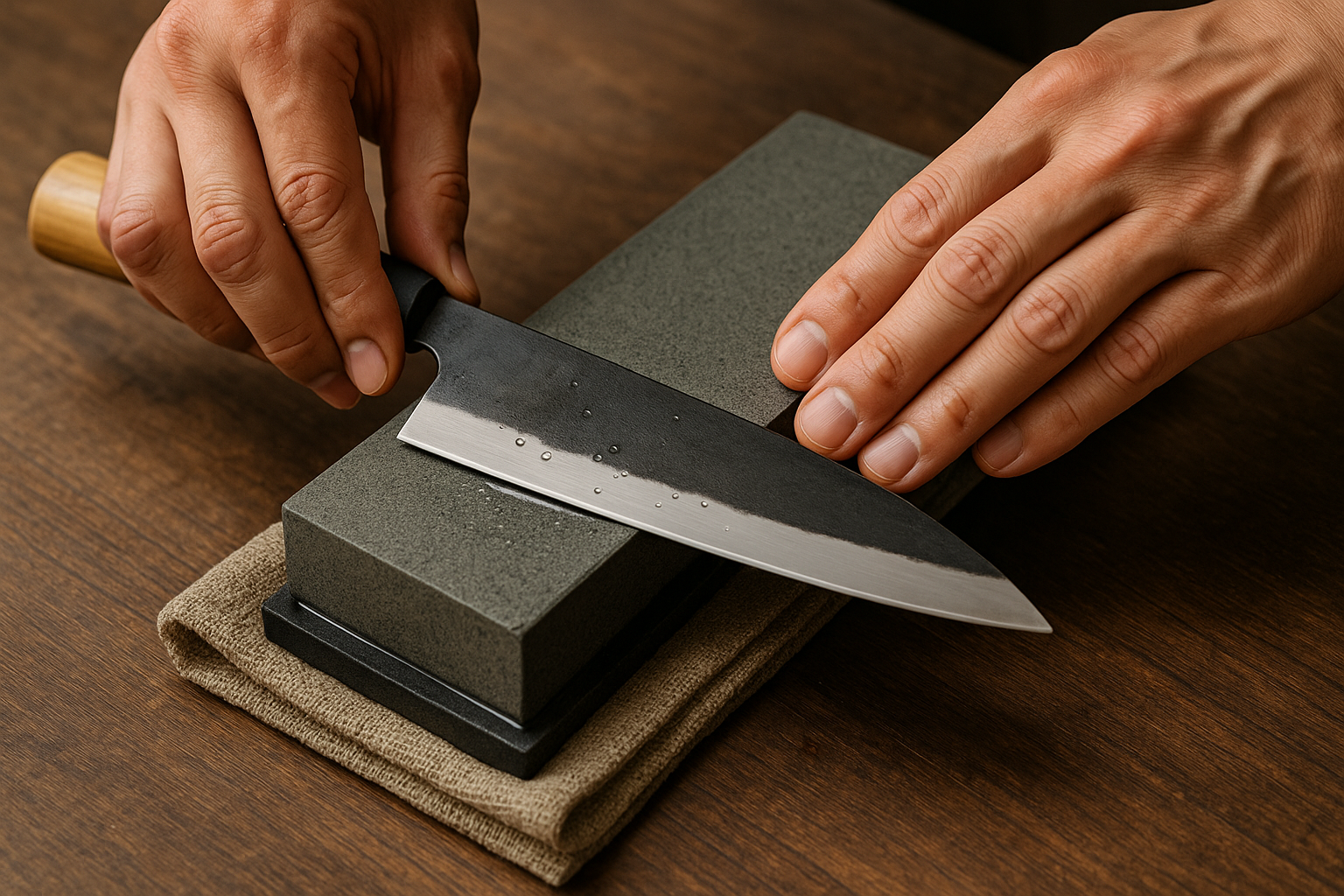
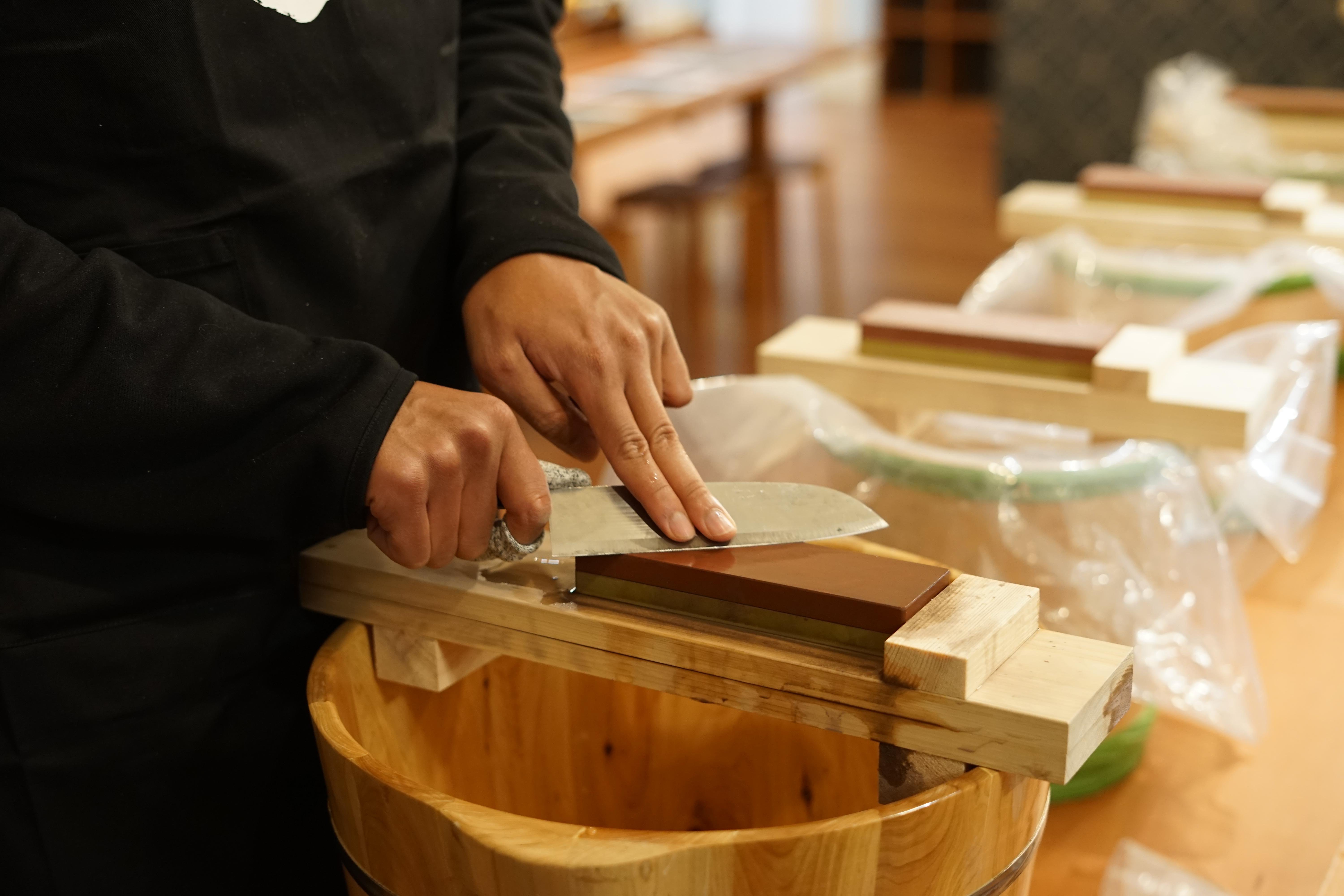
You start on the 1000-grit stone, soaked until the bubbles stop. The angle is low, closer to the stone than instinct suggests. You push, you draw back, you check the slurry darkening under your fingers. After twenty minutes you run a thumbnail along the reverse face and feel the burr — a faint metal lip that means the bevel has travelled all the way through. You move to 3000, then 6000, and the scratch pattern disappears into something like fog.
Then the punch. You choose kanji, set the die against the blade face, and strike once. There is no second attempt.
A hand-scrubbed magnolia handle is fitted, tapped home, and wiped with camellia oil. Most benches run this japanese knife making tour as an unhurried sequence, so arriving between 09:00 and 16:00 leaves room for every stage. You leave through Kappabashi with your blade sheathed in a cardboard saya, wrapped, and legal to carry home in checked baggage.
The Japanese knife making workshop is open daily from 09:00–18:00. We recommend arriving between 09:00–16:00 to complete all steps.
The studio is wheelchair accessible, though the process requires some manual dexterity. Please contact the Japanese knife making workshop ahead of time to accommodate specific needs.
Large bags are not permitted in the studio area as space is limited. We recommend storing them at your accommodation or in a locker at the nearby station before starting your Japanese knife making workshop.
Photography is allowed during the Japanese knife making workshop provided you do not interfere with other participants or the master smith. Please be respectful of the workspace.
We suggest visiting during the spring or autumn months for the best experience. Always book your Japanese knife making workshop tickets well in advance to secure your preferred date.
Yes, please wear closed-toe shoes and avoid loose clothing that could get caught in the machinery. Your safety is a priority during the Japanese knife making workshop.
No food or drink is permitted at the workstations to keep the tools clean. There are many local eateries near the Japanese knife making workshop in Asakusa for before or after your visit.
The facility is located in Asakusa, Taito City, Tokyo. You can reach the Japanese knife making workshop easily via the Ginza Line to Asakusa Station.
The Japanese knife making workshop is best suited for adults and teenagers 12 and older due to the use of sharp tools. This ensures a safe environment for all guests.
You can receive a full refund if you cancel at least 48 hours before your booking time. Note that no entrance fee of 0 JPY applies, as bookings are pre-paid.
You can explore the historic Senso-ji Temple and the lively Nakamise-dori shopping street just steps away from the Japanese knife making workshop.