Japanese Knife Making Workshop
Tours & tickets

Hand-picked by our editors — only the best 5 experiences from 48 reviewed.

Open today 10:00–18:00
Attendance: Moderate — summer season
Participants should arrive at the start of their scheduled slot.
Free cancellation Instant confirmation Mobile voucher Verified partner Book now, pay later
Tickets

Choose your ticket

Verified partners for every tour, free cancellation where available, and instant confirmation on every booking.

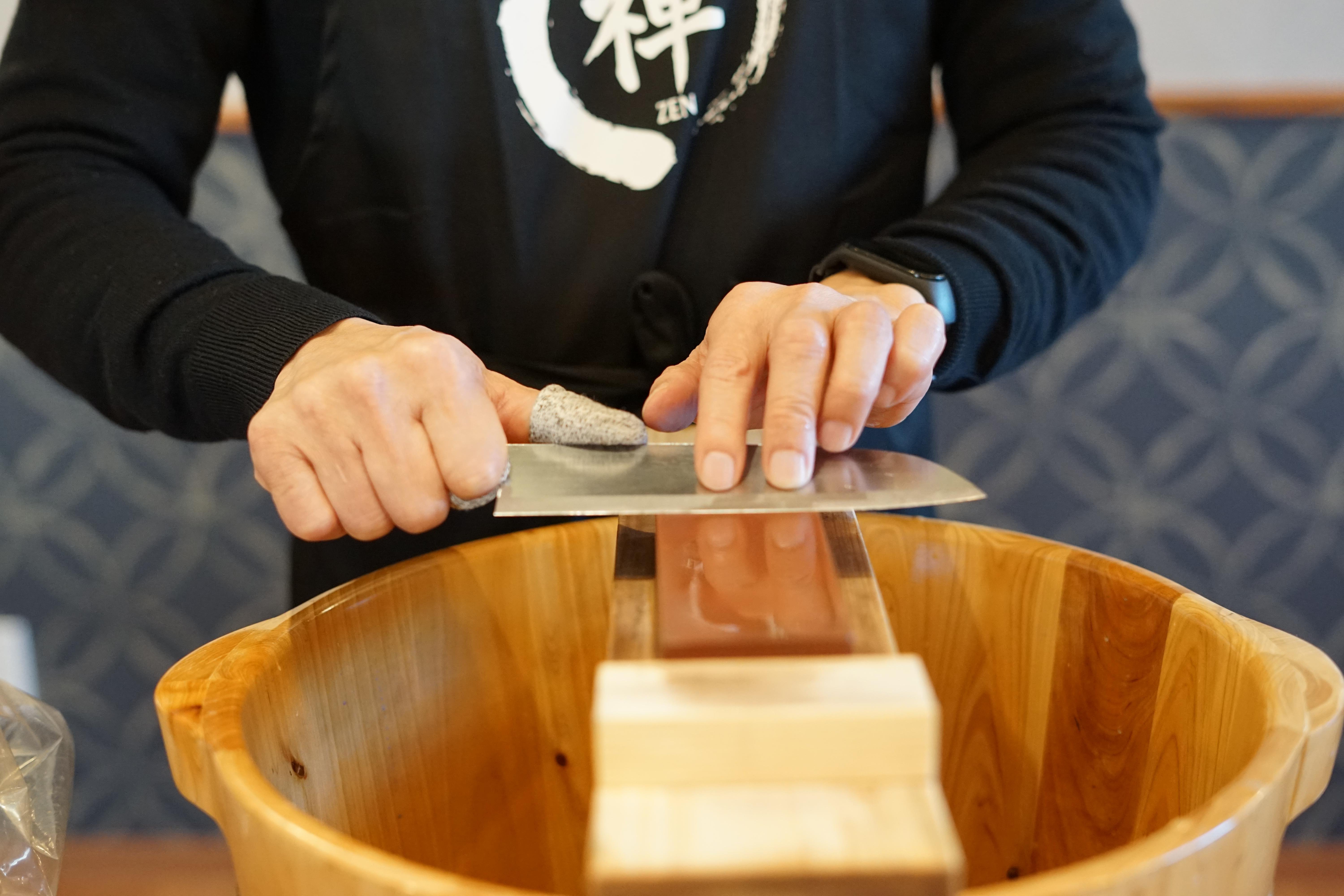
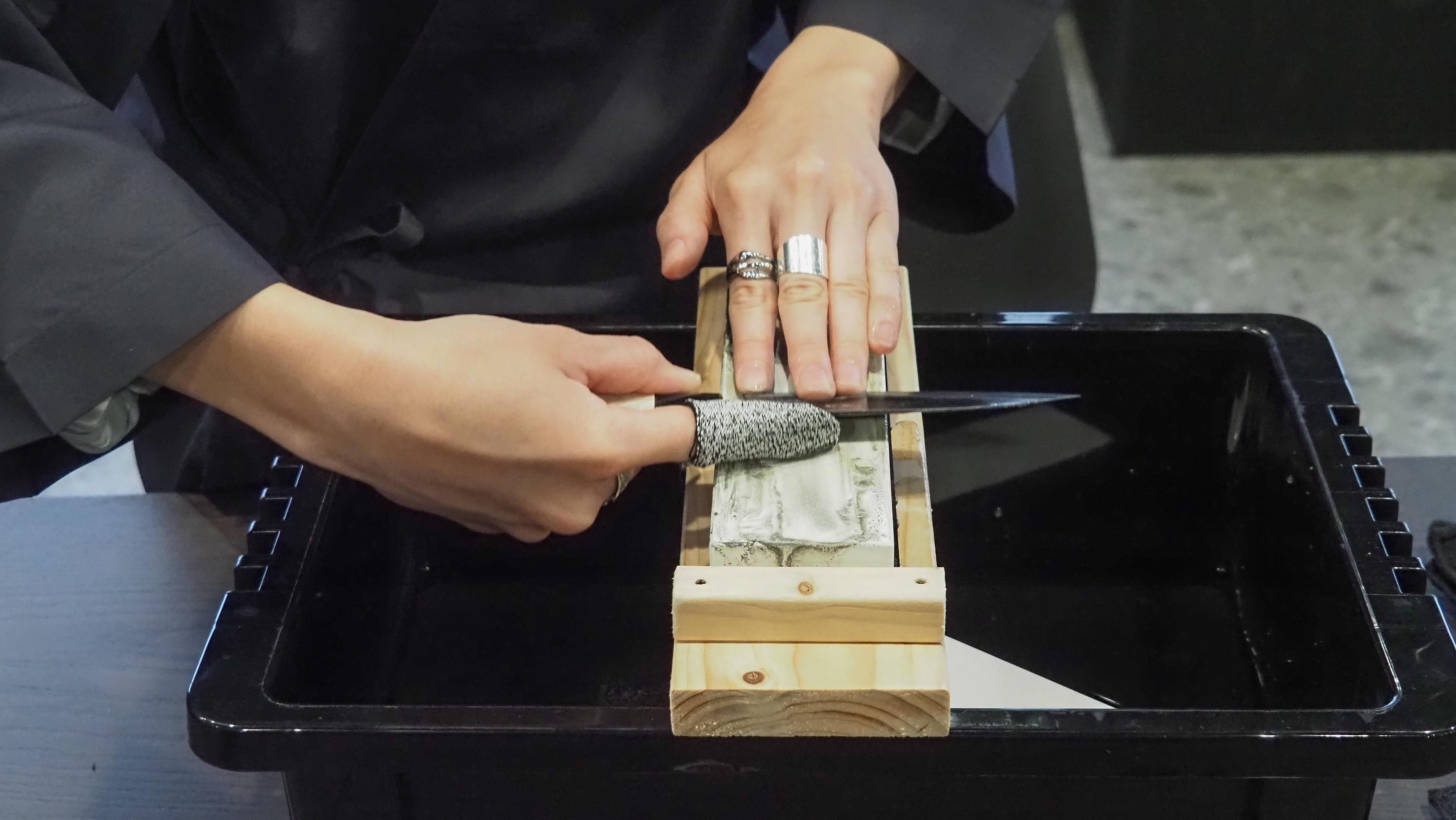
Knife Sharpening Workshop in Asakusa 1 hr
Standard Entry

Knife Sharpening Workshop in Asakusa

4.9 (316)
€78
per person
Instant Mobile voucher Flexible — change up to 24h

Master traditional whetstone techniques and restore a blade under expert guidance in Tokyo's historic district.

Reserve
Tokyo Knife Mastery & Sushi Making Workshop 2 hr
Standard Entry

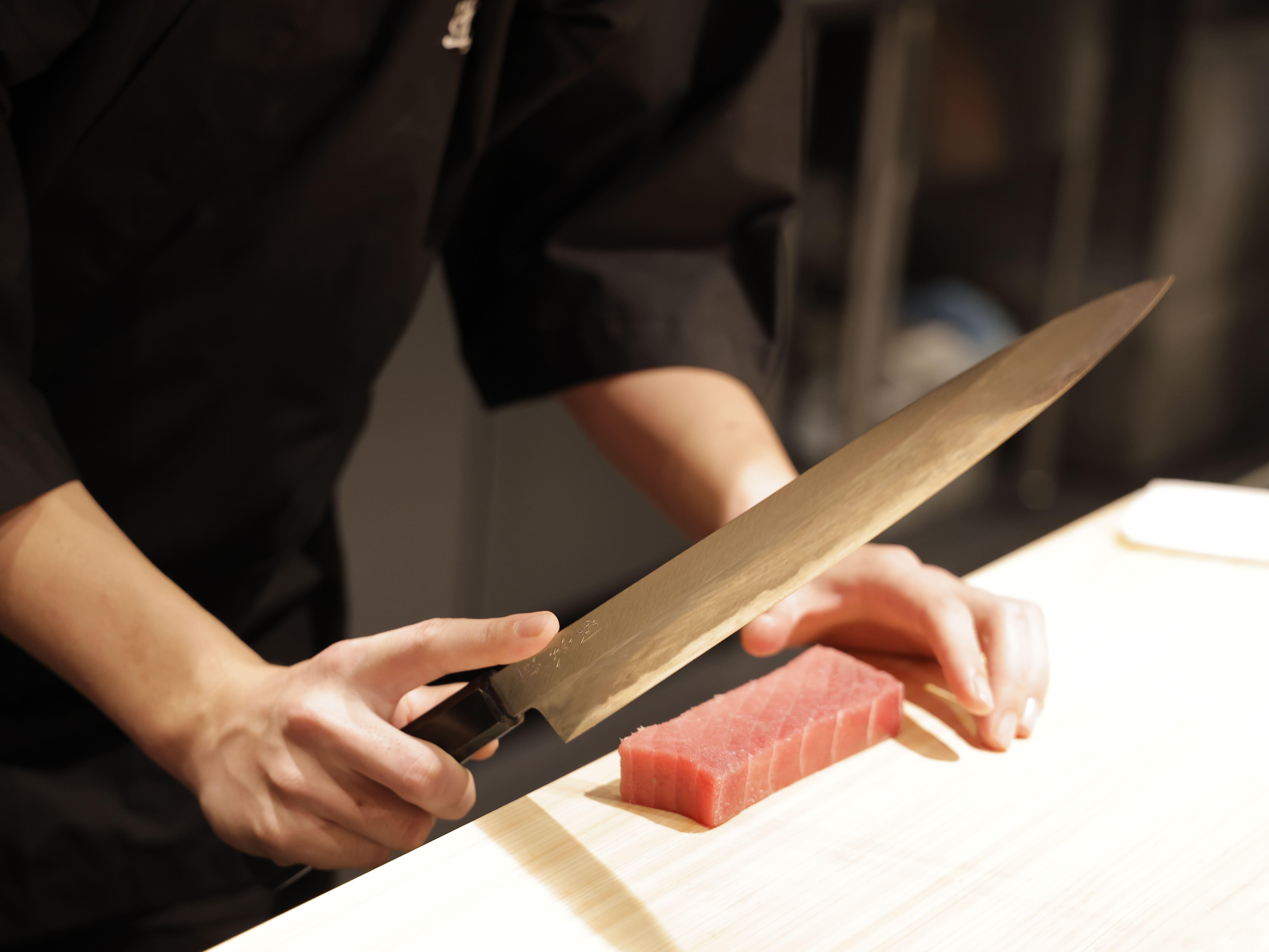
Tokyo Knife Mastery & Sushi Making Workshop

5 (5)
€107
per person
Instant Mobile voucher Flexible — change up to 24h

Master authentic blade techniques, slice fresh fish, and create your own sushi or tuna rice bowl

Reserve

Prices from verified partners. Availability updates in real time at checkout. Free cancellation policies apply where shown.

What you'll do

Inside a tour, step by step

  1. 01 15 min

    Introduction

    Overview of Japanese steel and knife anatomy

  2. 02 20 min

    Heating

    Learning to heat the metal properly

  3. 03 30 min

    Forging

    Shaping the blade under instructor guidance

  4. 04 25 min

    Finishing

    Sharpening and handle attachment

Highlights

What you'll see inside the attraction

The landmarks, rooms, and views travelers on this tour remember — all visible on a single visit.

The Forge Chamber

Experience the heat of the fire where raw metal is transformed during your Japanese knife making workshop Tokyo tour. The main forge operates at high temperatures to ensure the steel is properly tempered.

Japanese steel forge photography

Japanese Knife Making Workshop

Traditional Anvil

Observe the heavy iron tools used to shape blades throughout history. This specific station allows you to understand the weight and resistance of metal used in traditional crafting.

Close up of steel anvil

Japanese Knife Making Workshop

Steel Shaping Station

Polishing Station

Traditional blade sharpening stones

Japanese Knife Making Workshop

Blade Sharpening Area

Handle Attachment Bench

Handcrafted wooden knife handles

Japanese Knife Making Workshop

Knife Handle Crafting

Instruction Gallery

Historic Japanese blade collection

Japanese Knife Making Workshop

Traditional Blade Gallery

Head to head

Japanese Knife Making Workshop Tokyo vs. Kappabashi Knife Shopping

The workshop offers a hands-on technical education in forging steel, whereas Kappabashi provides immediate access to a vast professional selection. Most visitors find that booking japanese knife making workshop tokyo tours satisfies the desire for craftsmanship, while a trip to the local kitchen district serves those prioritizing retail variety.

Feature Top pick Knife Workshop Kappabashi Shopping
Experience Type
Retail procurement
Primary Benefit
Broad brand variety
Skill Development
Low (product knowledge)
Customization Level
Low (select existing)
Time Commitment
Variable (30–120 minutes)
Final Outcome
Professional culinary equipment

Verdict: Securing japanese knife making workshop tokyo tickets is ideal for those seeking an authentic artisan experience, while Kappabashi remains the superior choice for buyers needing diverse kitchenware options.

How your ticket works

Book your ticket in 3 steps

  1. 01

    Book online

    Choose your ticket, select your date, and reserve in under two minutes. Secure checkout handled by our verified partner.

  2. 02

    Receive your mobile voucher

    Instant confirmation by email, with a mobile voucher you can save offline. No printing, no queuing at a collection desk.

  3. 03

    Show & enter

    Arrive at the entrance, show your voucher on your phone, and walk in. Most tickets include priority or skip-the-line access.

Plan your visit

Everything you need to know before you go

Practical details for your visit straight from our verified partners — hours, access, rules, and how to get there.

Open today · 10:00–18:00
Opening Hours
10:00–18:00
Address
Taito City, Tokyo, Japan
Accessibility
Accessible by public transport
Arrival
10:00–16:00
Storage
Not available on-site
Location
Taito City district
Mon
10:00–18:00
Tue
10:00–18:00
Wed
10:00–18:00
Thu
10:00–18:00
Fri
10:00–18:00
Sat
10:00–18:00
Sun
10:00–18:00
Main entrance

Workshop Entrance

Taito City, Tokyo

Look for the studio sign at the main entrance

Address
Taito City, Tokyo, Japan
Storage
Not available on-site
Location
Taito City district

How to get there

🚆
Public transport · Variable · Check local transit app for current fares

Use the local train lines to reach Taito City and walk to the studio location.

🚕
Taxi · Variable · Cost depends on your starting point in Tokyo

A taxi can drop you off directly at the Taito City site entrance.

Dress code

Participants at this Japanese Knife Making Workshop should wear closed-toe shoes for safety during the bladesmithing process. Avoid loose clothing that could get caught in workshop equipment.

Bags & security

Secure storage is not provided at the Japanese Knife Making Workshop venue. We recommend traveling light when attending your Japanese knife making workshop Tokyo session.

Photography

Photography is permitted during the Japanese knife making workshop Tokyo tour, provided it does not disrupt instructors or other participants. Please ask permission before filming close-ups of the craftsmanship.

Accessibility

The Japanese Knife Making Workshop facility in Taito City is located in an area accessible by standard city transit. Please inform the team of any mobility needs before arriving for your Japanese knife making workshop Tokyo booking.

Mobile phones

Mobile phones must be kept in pockets or bags during active tool use for safety. Feel free to document your Japanese knife making workshop Tokyo experience during designated breaks.

What to bring

  • Comfortable closed-toe shoes
  • Water bottle
  • Valid photo ID
  • Booking confirmation
  • Hair tie for long hair

Not allowed

  • Alcohol
  • Flammable materials
  • Open-toed shoes
  • Loose scarves
  • Large luggage
  • Weapons
  • Sharp personal tools
  • Illegal substances

Families & strollers

The Japanese Knife Making Workshop is suited for adults and supervised older teenagers due to the use of sharp tools. Families booking a Japanese knife making workshop Tokyo tour should confirm age restrictions with the provider.

Food & drink

Eating is not allowed inside the workshop area for safety reasons. You may find several dining options in Taito City after completing your Japanese knife making workshop Tokyo itinerary.

Pets

Animals are not permitted inside the workshop facility. Service animals should be cleared with the operator before arriving for your Japanese knife making workshop Tokyo tour.

Good to know

The 90-minute workshop duration requires full participation to complete the project. Every Japanese knife making workshop Tokyo visitor will work directly with traditional Japanese steel.

Meeting point

Where to find us

Workshop Entrance

Taito City, Tokyo

Look for the studio sign at the main entrance

Get directions
Around your visit

Everything else worth knowing

Best time to go, insider tips, nearby landmarks, and the cancellation fine print — flip through to skim what matters to you.

Best time to visit

How crowds, weather, and events shift across the year.

Spring

March to May offers mild weather perfect for exploring the streets of Taito City before your Japanese knife making workshop Tokyo session.

Summer

August brings warm temperatures and lively atmosphere, though visitors should plan their arrival between 10:00–16:00 to avoid mid-afternoon heat.

Autumn

September to November is ideal for crafting activities with crisp air and comfortable humidity levels.

Winter

December to February provides a quiet backdrop for indoor Japanese knife making workshop Tokyo tours.

Helpful tips for your visit

Small details that turn a good visit into a great one.

Book Early

Popular sessions for the Japanese knife making workshop Tokyo tour fill up quickly, so reserve your spot in advance.

Wear Layers

Temperatures inside the forge area can fluctuate, making layered clothing ideal for Japanese knife making workshop Tokyo visitors.

Stay Hydrated

Drinking water is essential, especially during the 90-minute workshop duration in the summer.

Follow Instructions

Always listen to the master smith during your Japanese knife making workshop Tokyo session to ensure safety.

Travel Light

Leave heavy bags at your hotel to make your Japanese knife making workshop Tokyo experience more enjoyable.

Nearby landmarks

Non-bookable sights within a short walk — free to visit, easy to pair.

Ueno Park

5 min

A spacious public space perfect for relaxing before your Japanese knife making workshop Tokyo tour.

Tokyo National Museum

10 min

Features extensive collections of Japanese art and cultural artifacts.

Kaneiji Temple

12 min

A historic site offering a glimpse into the Edo period architecture.

Bentendo Temple

8 min

Known for its distinctive octagonal shape and location on Shinobazu Pond.

Cancellation policy

Flexible, no hidden fees.

Cancellations made within the specified provider window are subject to terms. Please note the 25,000 JPY entrance fee per person for workshop participation is non-refundable if the cancellation occurs outside the allowed timeframe.

Where to stay

Hotels & districts near the attraction

Hand-picked options within walking distance — pick a district for vibe, or a specific hotel for convenience.

Ueno Area

10 min
mid-range

Convenient access to transit and the Japanese knife making workshop Tokyo studio.

Asakusa Hotels

15 min
boutique

Historic atmosphere near major landmarks and craft centers.

Taito City Suites

5 min
luxury

High-end accommodations within walking distance of the workshop location.

About

The place, in context

A traditional Japanese blade is not cast, it is folded. Edo-period smiths wrapped soft iron around a hard carbon-steel core, then hammered the billet until two metals held a single edge. That method survives in Taito City, where Japanese Knife Making Workshop Tokyo tours put a hammer into hands that have never met a forge. The studios stand within walking distance of Kappabashi Kitchen Town, the wholesale street that has supplied the capital's restaurant kitchens since the 1920s. The district earned the trade honestly. Asakusa once kept sword polishers in steady work; when the swords went, the same whetstone grades moved to the sushi counter. Knife dealers here still sort stock by task rather than by brand. A gyuto suits the Western grip, a santoku the home cook, a deba the fishmonger breaking down a whole sea bream. The distinctions are not decorative. A single-bevel edge cuts on one plane only, and that geometry decides how cleanly a slice of tuna leaves the loin. Precision here is measured in small numbers. Carbon steel is brought to roughly 800°C, then quenched in under a second, a moment that either sets the hardness or cracks the blade. A hand-forged bevel can be ground to fifteen degrees a side, close to half the angle of a factory-pressed Western knife. Engraving came later in the sequence: kanji cut into the tang served as the smith's signature and, in the wholesale trade, as a guarantee of origin. Tokyo blade-forging classes preserve that order of operations, from billet to bevel to name. Interest has widened well beyond chefs. 包丁作り体験, the local phrase for a knife-making experience, now appears on itineraries beside temples and observation decks, and demand for Japanese Knife Making Workshop Tokyo tickets comes largely from travellers with no metallurgical background at all. The premise holds anyway. Taito City workshops charge 25,000 JPY per person and keep their doors open from 10:00 to 18:00, seven days a week, which places a closed craft within reach of anyone willing to stand at an anvil. What leaves the building is not a souvenir. It is a working tool, marked with the owner's own uneven hammer strokes, finished on a stone rather than a machine, and carried home to be used until the edge asks for the whetstone again.

"A traditional Japanese blade is not cast, it is folded."
Your experience

What a tour day looks like

A step-by-step walkthrough of the visit — what you'll see, how long each stage takes, and the details that matter.

You arrive in Taito City soon after the doors open at 10:00, sign a waiver, and trade your jacket for a cotton apron and safety glasses. A blank of carbon steel, roughly 20 centimetres long, is set in front of you. You feed it into the coals and watch the colour climb from dull red to pale orange, then lift it with tongs to the anvil and swing. The first strikes land badly. The tenth lands where you meant it to. You draw the steel out, taper the tip, and flatten the spine under the smith's corrections. The quench comes fast — a hiss, a plume — and the blade turns rigid in your hand. Then the slow part: grinding the bevel, working through whetstones at 1000 and then 3000 grit until the edge stops catching on your thumbnail. Someone at the next bench is cutting kanji into a tang, tapping a chisel in millimetre increments. By the time you rinse the grinding dust from your palms, the light over Kappabashi has shifted and the kitchenware shops outside are filling with cooks. You wrap the blade in cloth and carry it out. A Japanese Knife Making Workshop Tokyo tour ends with something solid in your bag, still faintly warm, sharp enough that you handle it carefully on the walk to the station.

Frequently asked

Frequently asked questions about japanese knife making workshop tokyo tours

What are the opening hours for Japanese knife making workshop Tokyo?

The Japanese Knife Making Workshop in Taito City is open daily from 10:00–18:00. These hours apply throughout the week including weekends.

Is there a specific arrival window for the Japanese knife making workshop Tokyo?

Yes, the best arrival window is 10:00–16:00 to ensure enough time for the 90-minute workshop duration while avoiding crowds.

How much are Japanese knife making workshop Tokyo tickets?

Participation costs 25,000 JPY per person, which covers the full Japanese knife making workshop Tokyo experience.

Can I bring bags into the Japanese knife making workshop Tokyo?

Small personal items are fine, but large bags should be left behind as the workshop has no storage facilities. You will need your hands free for the Japanese knife making workshop Tokyo tasks.

Is the Japanese knife making workshop Tokyo accessible for families?

Children are welcome if they can safely handle tools, but the Japanese Knife Making Workshop is generally geared toward adults. Please verify age requirements before booking your Japanese knife making workshop Tokyo tour.

What is the cancellation policy for Japanese knife making workshop Tokyo tickets?

Cancellations are subject to specific terms, and the 25,000 JPY entrance fee per person is non-refundable if policies are not met. Always check the booking details for your Japanese knife making workshop Tokyo reservation.

Are photography and mobile phones allowed during Japanese knife making workshop Tokyo tours?

Yes, you can take photos during your Japanese knife making workshop Tokyo tour, but keep mobile phones stowed away when actively using workshop tools.

What should I wear to the Japanese knife making workshop Tokyo?

Wear closed-toe shoes and clothes that are comfortable for work. Safety is the priority at the Japanese Knife Making Workshop.

Are there nearby attractions to combine with a Japanese knife making workshop Tokyo visit?

Yes, Ueno Park and the Tokyo National Museum are within walking distance of the Japanese knife making workshop Tokyo location.